Latest essay
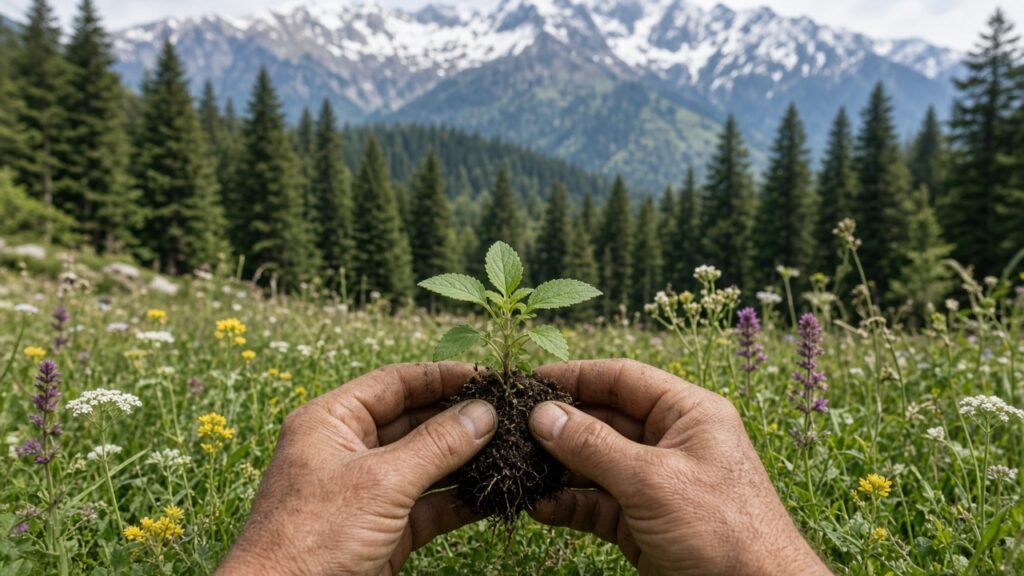
Beijing Initiative 2026: A Turning Point for Medicinal Plants and Traditional Medicine
The Beijing Initiative sets six priorities for conserving medicinal plants. What India should do next, and why the Himalayan states matter.
Ayurveda, medicinal plants, and livelihoods
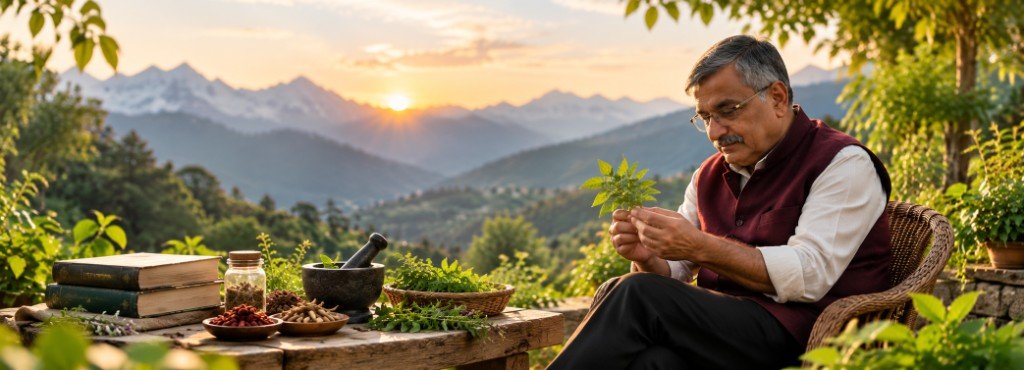
Dr Arun Chandan works with communities, practitioners, and learners on Ayurveda, medicinal plants, and the livelihoods that keep that knowledge alive.
Consultations and public writing that connect Ayurveda with traditional Himalayan plant knowledge — careful guidance for people, farms, and institutions.
About Dr Arun Chandan
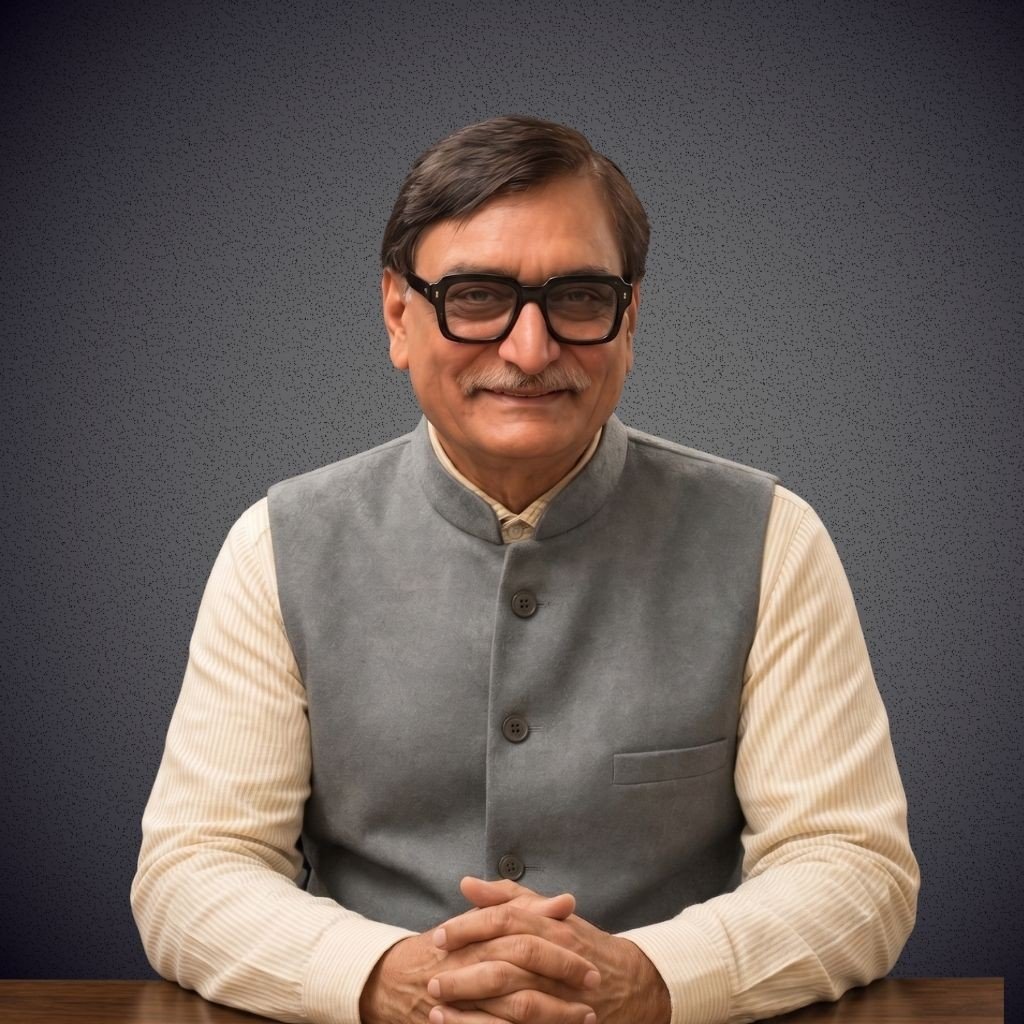
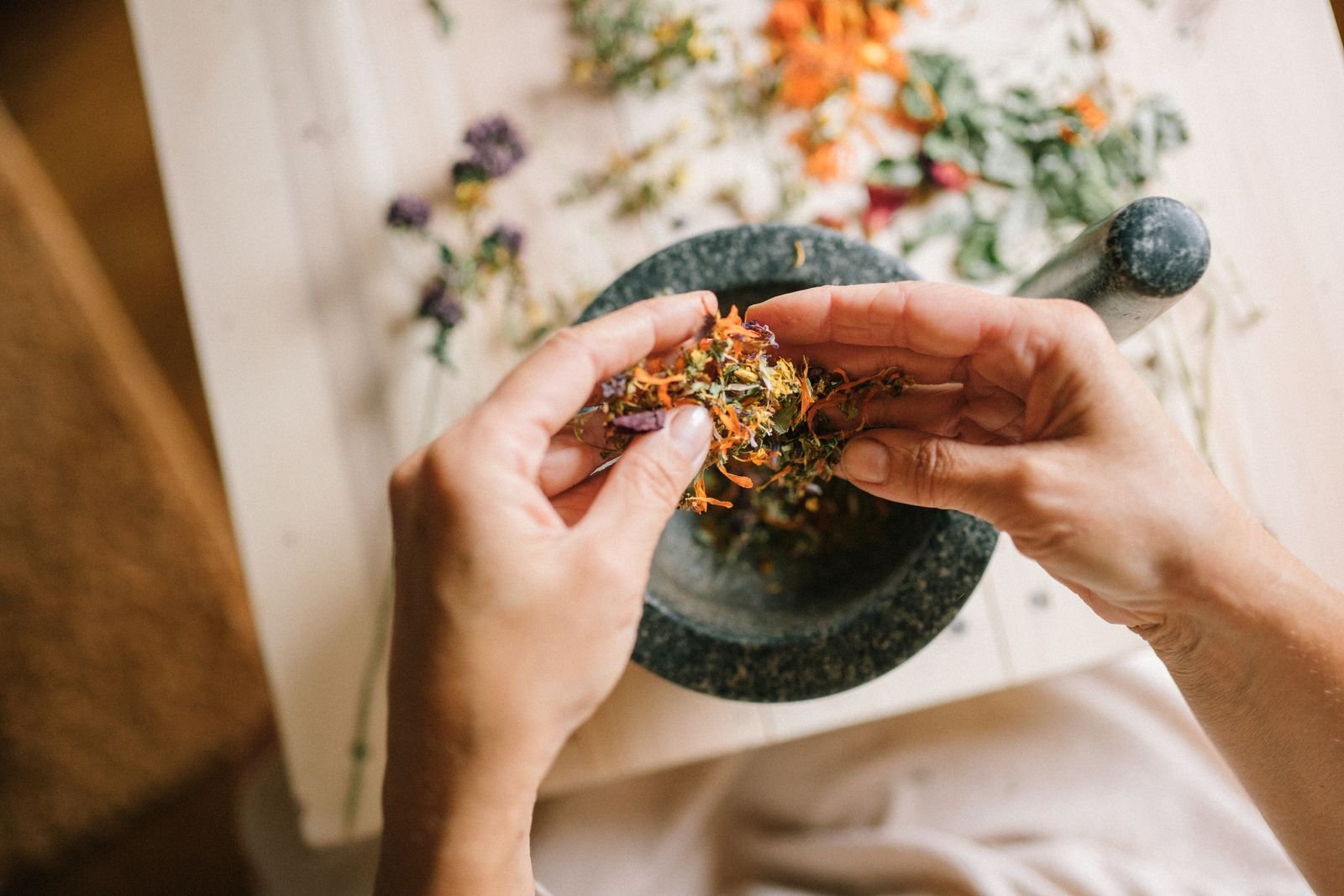
Dr Arun Chandan completed his BAMS in 1990 at Rajiv Gandhi Government Ayurvedic College, Paprola. He later led the Regional-cum-Facilitation Centre, Northern Region-I, of the National Medicinal Plants Board, and retired from government service in May 2026. He lives between Dharamshala and Joginder Nagar.
Areas of work
Open any area to see the public pages behind the work — plants, research, learning, and collaboration.
 Lok AyurvedaCommunity knowledge, consent, and the public record that keeps it honest.Explore Ayurveda
 Medicinal plantsSpecies notes for identification, cultivation context, and conservation.Discover Plants
 ResearchPublic project notes and field questions from the Himalayan work.Explore ResearchAcademyCourses and study notes for learners. No certificate is issued here.Browse Academy
 ConsultingWritten advice for farms, institutions, and product teams.Start ConsultingProjectsProgrammes named in the public record, with room for collaboration.View Projects
Consultation
Book a one-to-one enquiry with Dr Arun Chandan for medicinal plants, Ayurveda education, research, a project, or a community initiative. After you submit, a person replies. This is a written request, not a paid booking and not a diagnosis.
Book a ConsultationBlog
Essays and field notes on Ayurveda, medicinal plants, and livelihoods.
Latest essay
The Beijing Initiative sets six priorities for conserving medicinal plants. What India should do next, and why the Himalayan states matter.
Continue reading
 ArticleShilajit: A Growing Global Market, but Where Is the Authentic Raw Material Coming From?Shilajit is a fast-growing global market, yet its sources, annual collection and quality testing remain poorly documented. Why India needs a national resource and quality assessment.
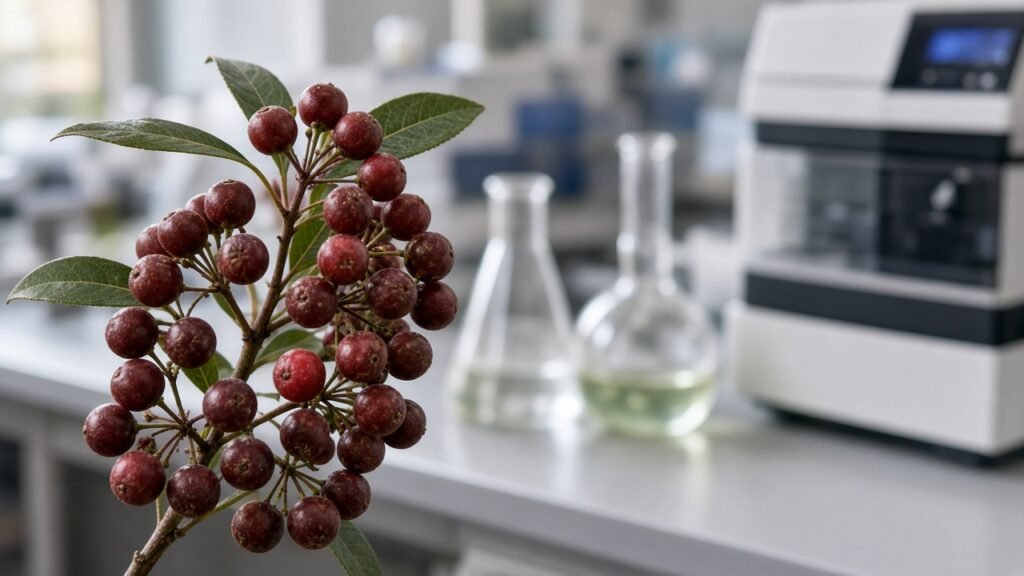 ArticleAyurveda Medicinal Plants Brief: 11–12 October 2026A brief on new Embelia ribes research, NCISM college recognition and AYUSH mental health outreach, with three priorities for Ayurveda.
Medicinal plants
Eight medicinal plant profiles with botanical names, regions, and conservation context from the public catalogue. Identification notes only — uses and doses stay off these cards.
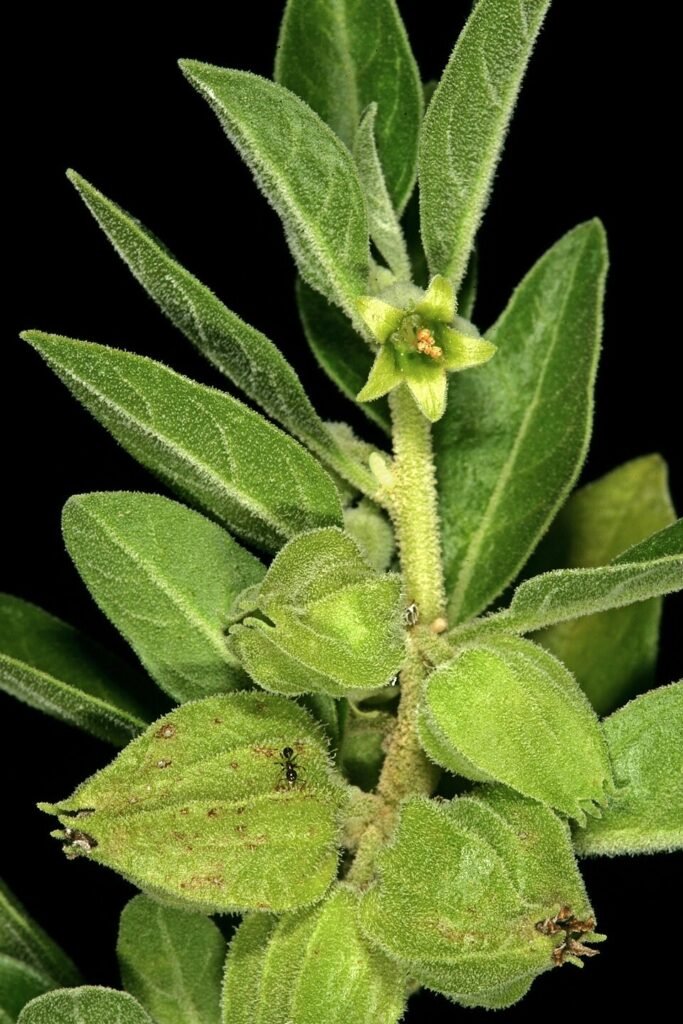 AshwagandhaWithania somnifera (L.) DunalWidely cultivated in the drier parts of India.Open profile
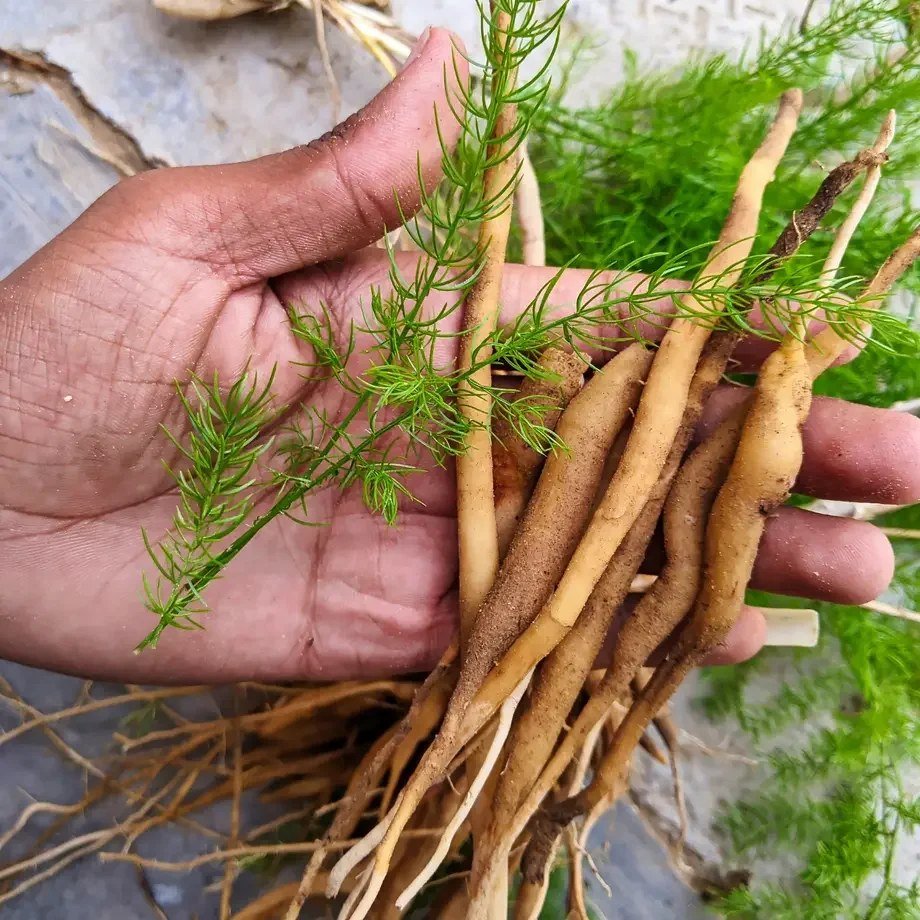 ShatavariAsparagus racemosus Willd.Grown in cultivation and also found in forest areas of India.Open profile
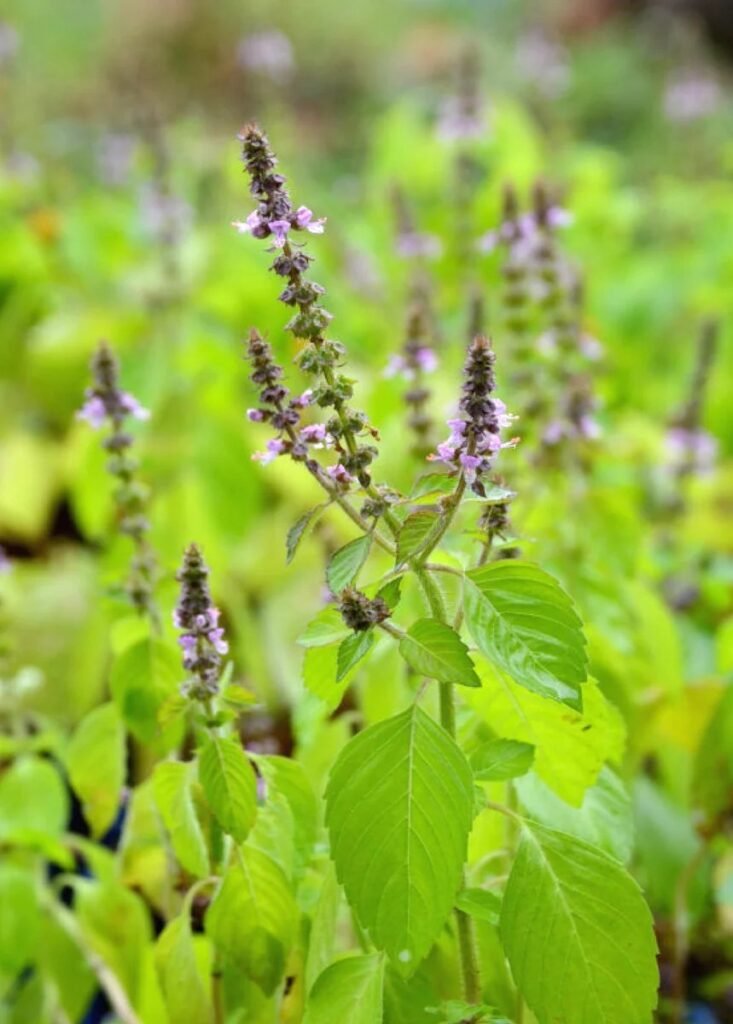 TulsiOcimum tenuiflorum L.Grown across India, including home gardens.Open profile
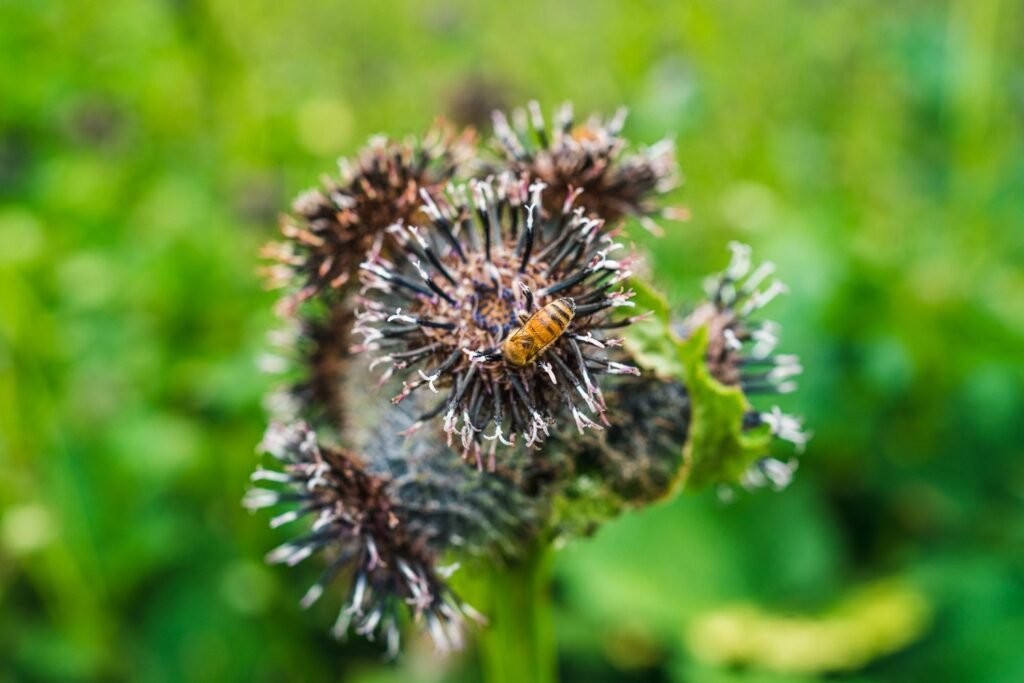 KuthSaussurea costus (Falc.) Lipsch.Western Himalaya. Confirm the current legal status before any trade discussion.Open profile
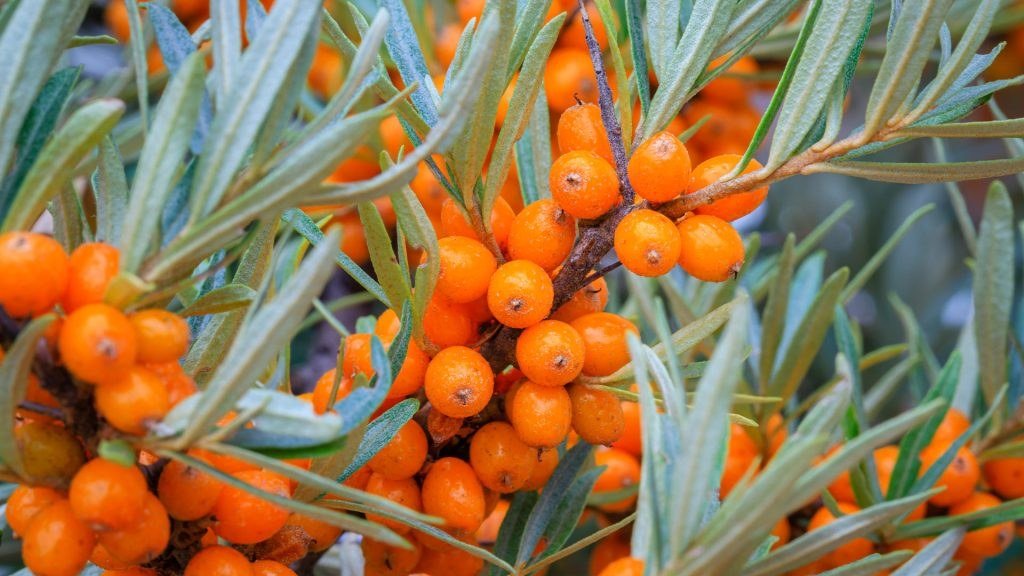 Sea buckthornHippophae rhamnoides L.Cold desert and high valleys, including parts of Himachal Pradesh.Open profile
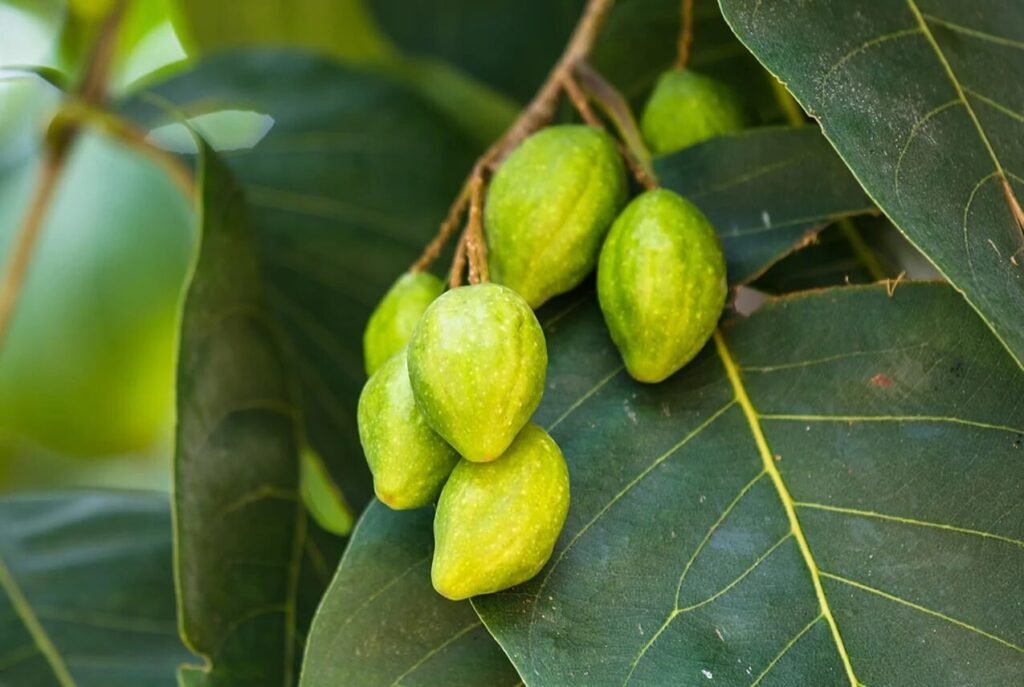 HaritakiTerminalia chebula Retz.Foothill and other Indian landscapes where the tree is known.Open profile
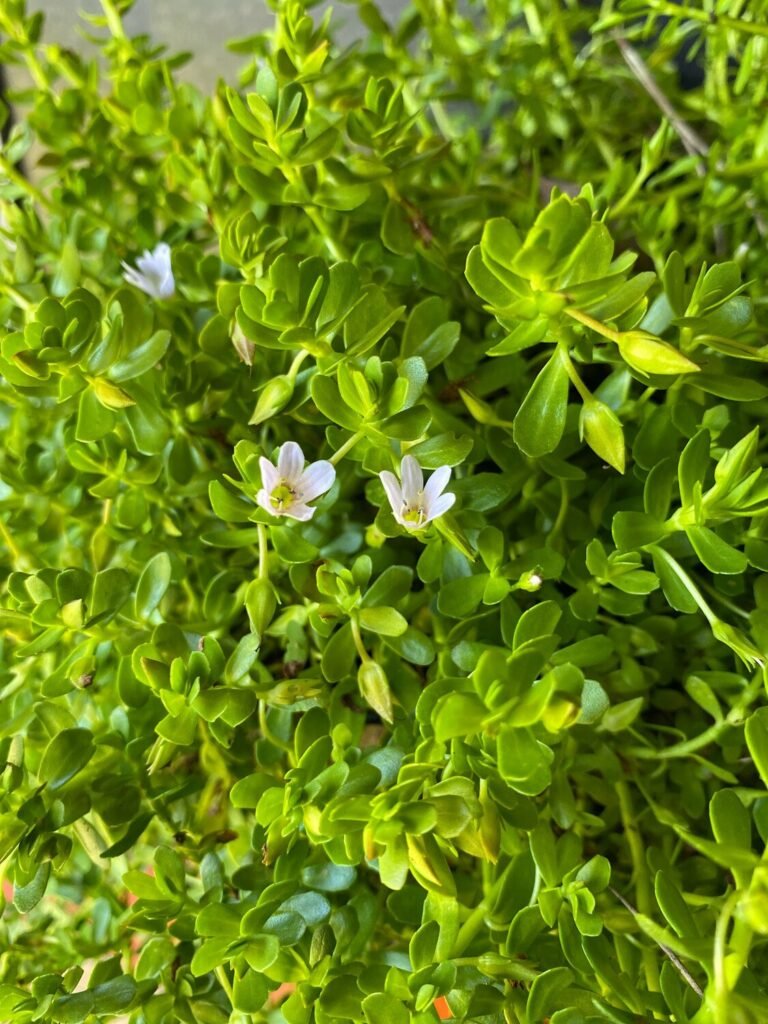 BrahmiBacopa monnieri (L.) Wettst.Moist places and cultivation. The scientific name on this page is Bacopa monnieri.Open profile
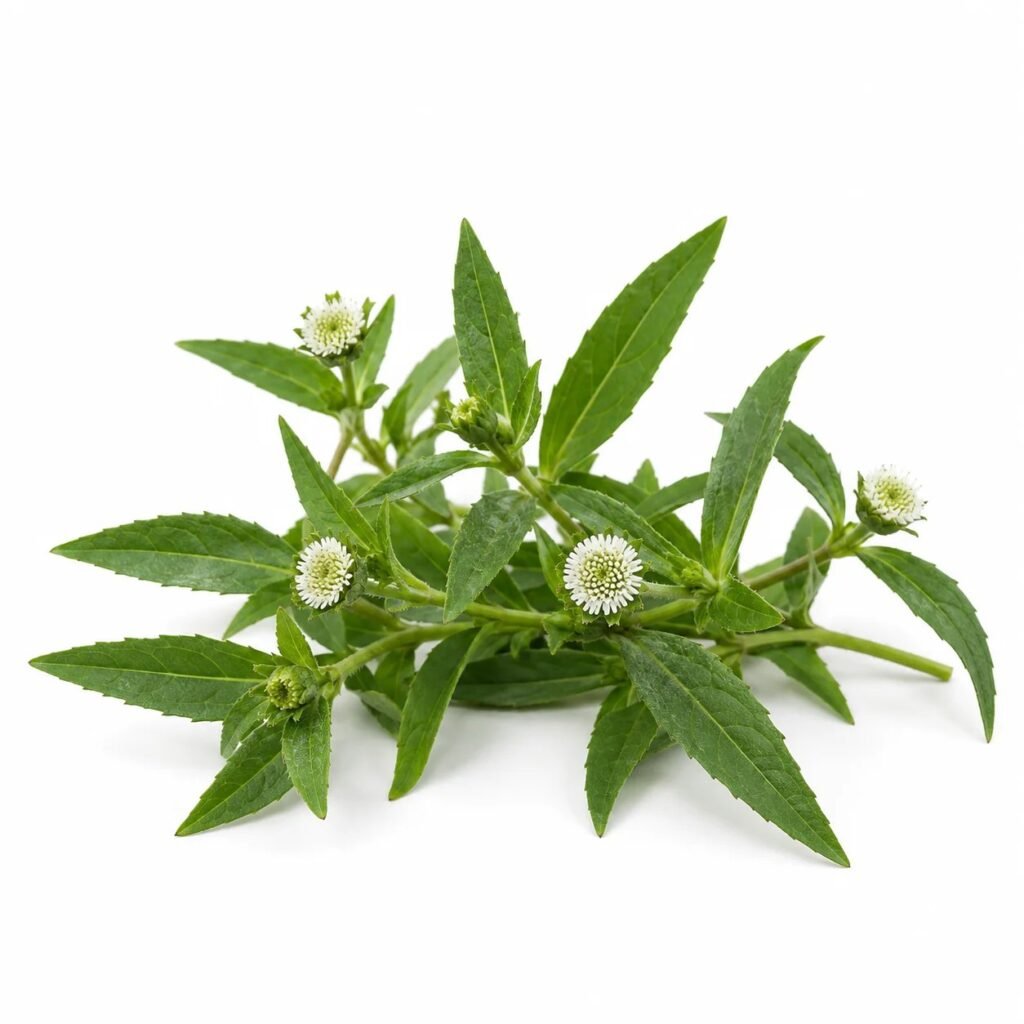 BhringrajEclipta prostrata (L.) L.A widespread herb of moist ground.Open profile
Explore the full species library for more Himalayan and cultivated medicinal plants, with identification and conservation notes.
See more plantsAcademy
Waitlist open
Leave your email if you want word when study notes on medicinal plants and LokAyurveda begin. No certificate is issued, and you can leave the list any time.
Projects & films
Occasional notes
If you want to hear when programme notes or new films from the official channel are posted, join this list. A few messages a year, nothing more.
Book a consultation for personal or institutional guidance, or discuss a collaboration on research, education, and field programmes. The team replies to every enquiry.
Plants, livelihoods, and field notes. No payment. You can unsubscribe later.