Blog
Ayurveda Medicinal Plants Brief: 11–12 October 2026
A brief on new Embelia ribes research, NCISM college recognition and AYUSH mental health outreach, with three priorities for Ayurveda.
1 min read · 259 words
A brief on three developments from 11–12 October 2026.
11 October: new research on Embelia ribes
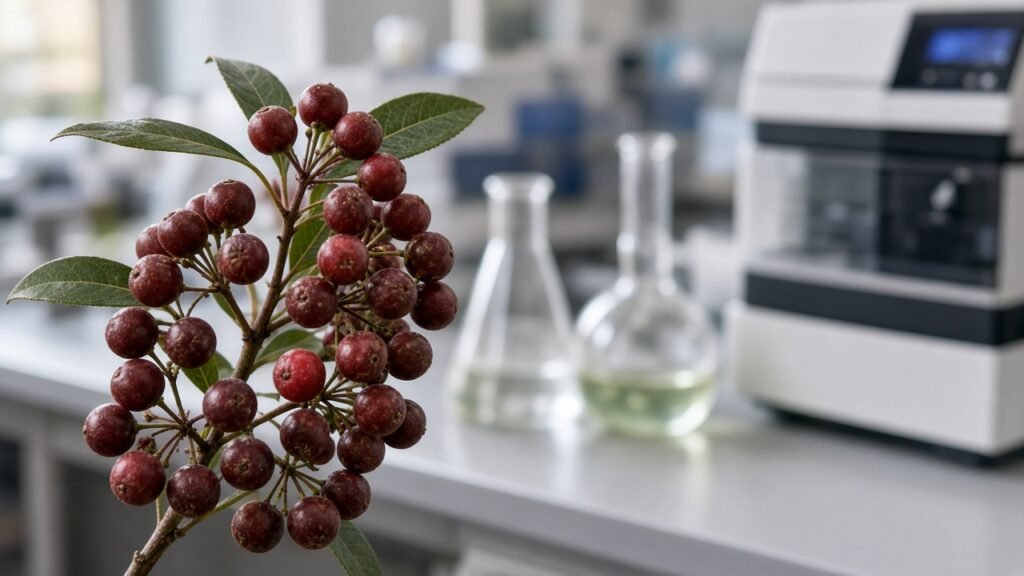
A study published in Discover Chemistry examined embelin extraction, isolation and laboratory antioxidant activity. Researchers compared extraction conditions, isolated embelin using flash chromatography and developed a validated HPLC method for measurement. The practical significance is better control over botanical ingredients. Laboratory findings still require further safety, formulation and clinical investigation before supporting health claims. Read the study.
12 October: Ayurveda education under scrutiny
A Times of India report states that NCISM withheld recognition of 61 Ayurveda colleges for 2026–27, including 12 in Madhya Pradesh. These figures remain media-reported pending verification against the underlying official orders. Students deserve transparent information about institutional permissions, qualified faculty, clinical training and teaching hospital facilities.
12 October: AYUSH mental health outreach
Sikkim government releases describe programmes held on 10 October at Holy Cross School, Tadong, reaching approximately 400 students, and at CCCT, Chisopani, through CHC Jorethang. These initiatives highlight the value of community engagement and mental health awareness.
My view
These developments point to three priorities for Ayurveda’s future:
- Research that produces reproducible evidence.
- Education that prepares competent practitioners.
- Community programmes with measurable outcomes.
For medicinal plants, this means linking authenticated planting material, sustainable sourcing, quality processing and traceability with scientific validation. Farmers and traditional knowledge holders must participate in the value created. The next step is coordinated work between researchers, practitioners, growers, educators and responsible enterprises.
Where should we focus first: teaching quality, botanical standardisation or research-to-industry collaboration?
Originally shared by Dr Arun Chandan on LinkedIn.
General education, not a diagnosis or emergency care. Medical disclaimer.
Stay Updated with Ayurvedic Wisdom