Blog
Dr. Arun Chandan: Pioneer of Phytomedicine and Chemotype-Based Cultivation for a Sustainable Herbal Future
by Dr Preet Amol Singh PhD Dr. Arun Chandan, a nationally renowned Ayurvedic medico-specialist and thought leader in India’s medicinal plant sector, has emerged as a transformative force in bridging the ancient science of Ayurveda with modern phytomedicine and…
4 May 2025 · 3 min read · 554 words
by Dr Preet Amol Singh PhD
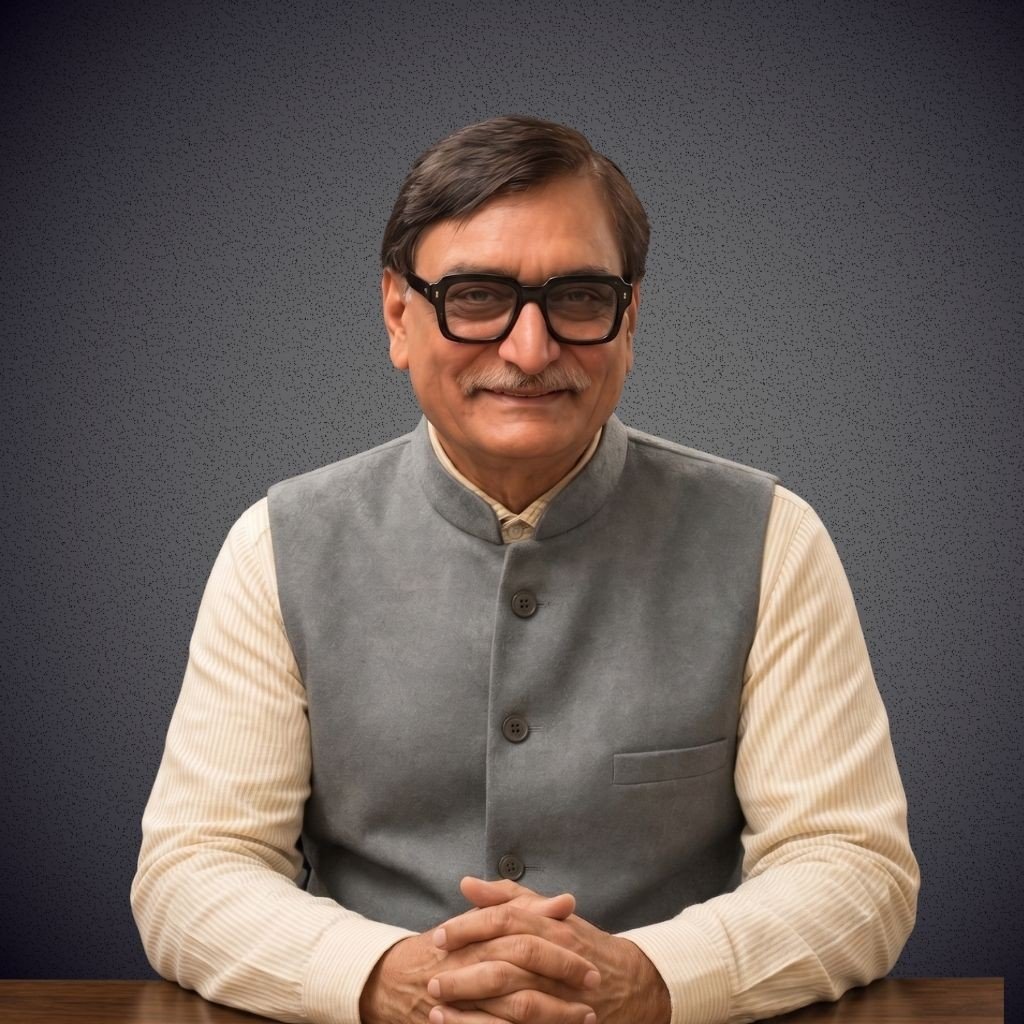
Dr. Arun Chandan, a nationally renowned Ayurvedic medico-specialist and thought leader in India’s medicinal plant sector, has emerged as a transformative force in bridging the ancient science of Ayurveda with modern phytomedicine and phytopharmaceutical development. With decades of grassroots experience in working with farmers, researchers, and policymakers, he has consistently advocated for economically viable models of cultivation and value addition in the herbal domain.
Field Observations: Why Farmers Struggled Despite High-Yield Cultivation
During his extensive field engagement across northern Indian states, Dr. Chandan identified a critical issue: farmers cultivating medicinal plants were not getting remunerative prices, even for crops in demand like Ashwagandha, Kalmegh, and Tulsi. The primary cause was the lack of chemotype specificity—farmers were growing plants without knowing the exact phytochemical profile, which rendered much of their produce pharmacologically suboptimal or commercially non-viable for industry-grade applications.
Solution: Chemotype-Based Cultivation for Premium Market Linkage
To address this, Dr. Chandan proposed a shift towards chemotype and genotype-based cultivation, wherein only those varieties of medicinal plants are propagated which are:
- Rich in bioactive markers like Withaferin-A, Andrographolide, or Vasicine.
- Suitable for standardized herbal formulations, extracts, and phytopharmaceuticals.
- Traceable and certifiable under Good Agricultural Practices (GAP) and Good Field Collection Practices (GFCP).
His strategy included developing community nurseries of validated chemotypes, promoting QR-coded planting material, and linking farmers with industry procurement hubs that pay premium rates for phytochemically consistent raw material.
Academic Breakthrough: MSc in Phytomedicine at BFUHS, Faridkot
To institutionalize these insights into an academic curriculum and build scientific manpower, Dr. Arun Chandan played an instrumental role in the conceptualization and initiation of the MSc in Phytomedicine course at Baba Farid University of Health Sciences (BFUHS), Faridkot, Punjab.
This landmark initiative was launched under the visionary leadership of Dr. Rajiv Sood, Hon’ble Vice Chancellor of BFUHS, who shared Dr. Chandan’s belief in combining traditional knowledge with cutting-edge science. Together, they laid the foundation for a first-of-its-kind academic program in India aimed at preparing a new generation of professionals trained in:
- Ayurvedic pharmacology and phytopharmacognosy
- Analytical phytochemistry (HPTLC, HPLC, GC-MS)
- Clinical research and validation of herbal drugs
- Phytopharmaceutical R&D and regulatory frameworks
This course also supports India’s phytopharmaceutical aspirations under the CDSCO guidelines, catering to a growing market that demands plant-based, evidence-backed therapeutic products.
Broader Impact: From Farmer Welfare to National Herbal Strategy
Dr. Arun Chandan’s efforts in aligning cultivation practices with pharmacological end-use have already started showing results:
- Farmers cultivating chemotype-specific varieties are earning up to 2–3x more through buyback linkages and industry tie-ups.
- More than a dozen students from the MSc program are now involved in herbal product development, quality testing labs, and regulatory documentation.
- His advocacy has led to the integration of chemotype awareness into State Medicinal Plant Board trainings and MNREGA-based plantation drives.
Blending Tradition with Science for a Herbal Revolution
Dr. Arun Chandan’s work signifies a deep commitment to India’s herbal renaissance—not only through clinical and academic excellence but by transforming the socio-economic landscape of farmers and local communities. His collaboration with leaders like Dr. Rajiv Sood, and his foresight in establishing institutional programs such as the MSc in Phytomedicine, are clear indicators of a larger mission: making India a global hub for scientifically validated, economically empowering, and traditionally rooted phytomedicine.
General education, not a diagnosis or emergency care. Medical disclaimer.
Stay Updated with Ayurvedic Wisdom