Blog
Why India Needs Crop Insurance for Medicinal Plants
India promotes Ayurveda, herbal wellness and medicinal plant cultivation. But the farmer who grows these healing plants is still outside a reliable risk-protection system. By Dr Arun Chandan India speaks proudly of Ayurveda, biodiversity and the global rise of herbal wellness.…

7 November 2026 · 10 min read · 1,985 words
India promotes Ayurveda, herbal wellness and medicinal plant cultivation. But the farmer who grows these healing plants is still outside a reliable risk-protection system.
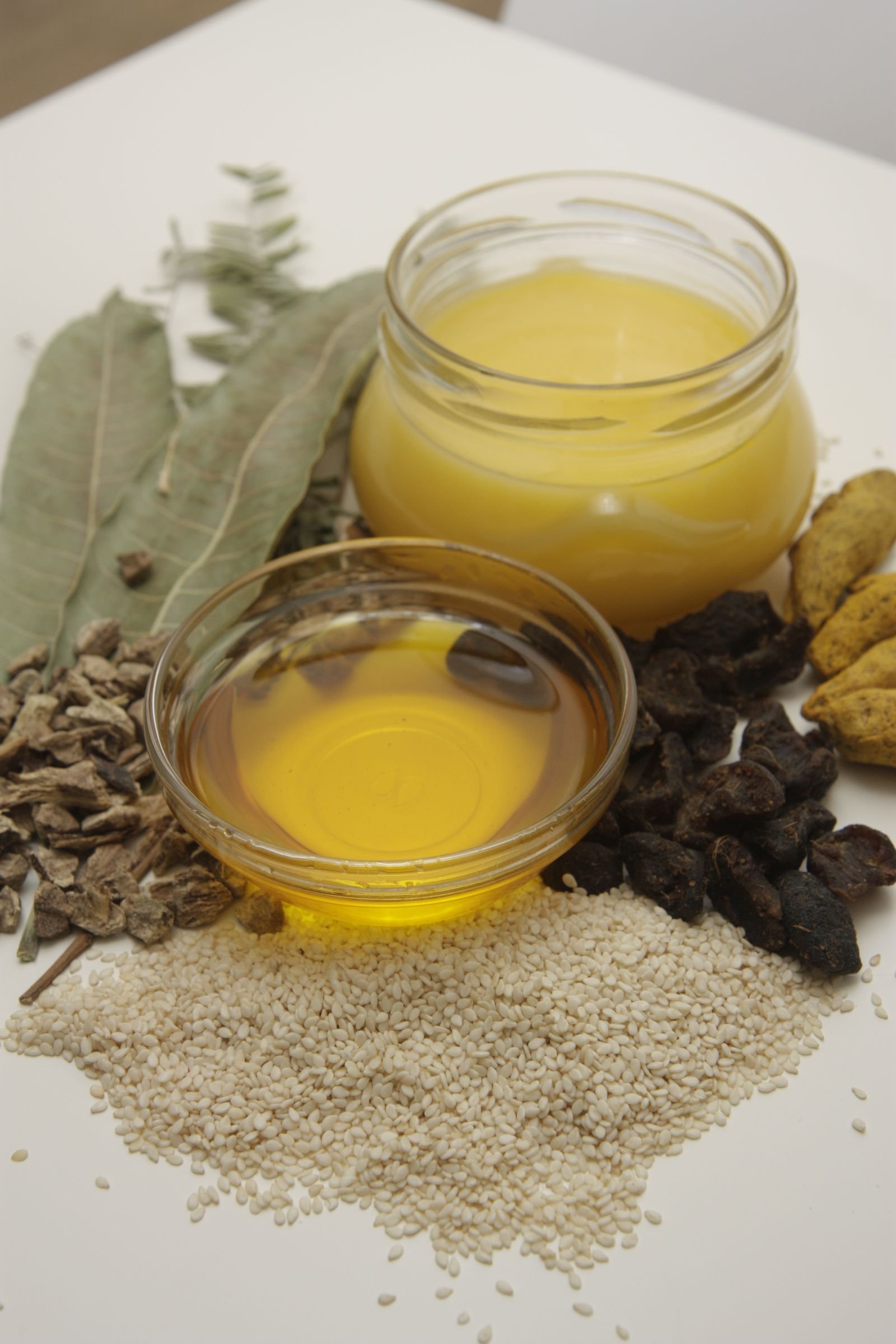
India speaks proudly of Ayurveda, biodiversity and the global rise of herbal wellness. Ashwagandha, Shatavari, Tulsi, Brahmi, Kalmegh, Aloe vera, Kutki, Kuth, Atees, Safed Musli and Sarpagandha are celebrated as the green foundation of India’s healing heritage.
But one uncomfortable question remains unanswered: who protects the farmer who grows these healing plants?
A farmer growing wheat or paddy at least knows the mandi, the procurement pattern and the insurance status of the crop. A farmer growing apple, mango, potato or cotton has some institutional pathway. But the farmer who shifts to medicinal plants often enters a risky and uncertain world. He is told that global demand is rising. He is told Ayurveda needs quality raw material. He is told medicinal plants can diversify farm income. But when drought comes, when unseasonal rain damages roots, when frost burns the crop, when hail destroys leaves, or when a buyer rejects the produce because of moisture, colour, active ingredient or contamination, he is left almost alone.
This is not a minor gap. It is a national policy gap.
India has a large crop insurance architecture under the Pradhan Mantri Fasal Bima Yojana. Under PMFBY, farmers pay capped premiums of 2 per cent for Kharif food and oilseed crops, 1.5 per cent for Rabi food and oilseed crops, and 5 per cent for annual commercial and horticultural crops. The rest of the premium is subsidised by the government.
But the crucial word is notified. If a crop is not notified by the State Government for a particular area and season, the farmer may be cultivating a nationally important medicinal plant, but practically remains outside crop insurance.
Medicinal plants are not legally impossible to insure. Many can be treated as annual commercial crops, horticultural crops, aromatic crops, spice crops or, in some cases, perennial commercial crops. The problem is not legality. The problem is the lack of political will, crop-wise data, insurance protocols and state notification.
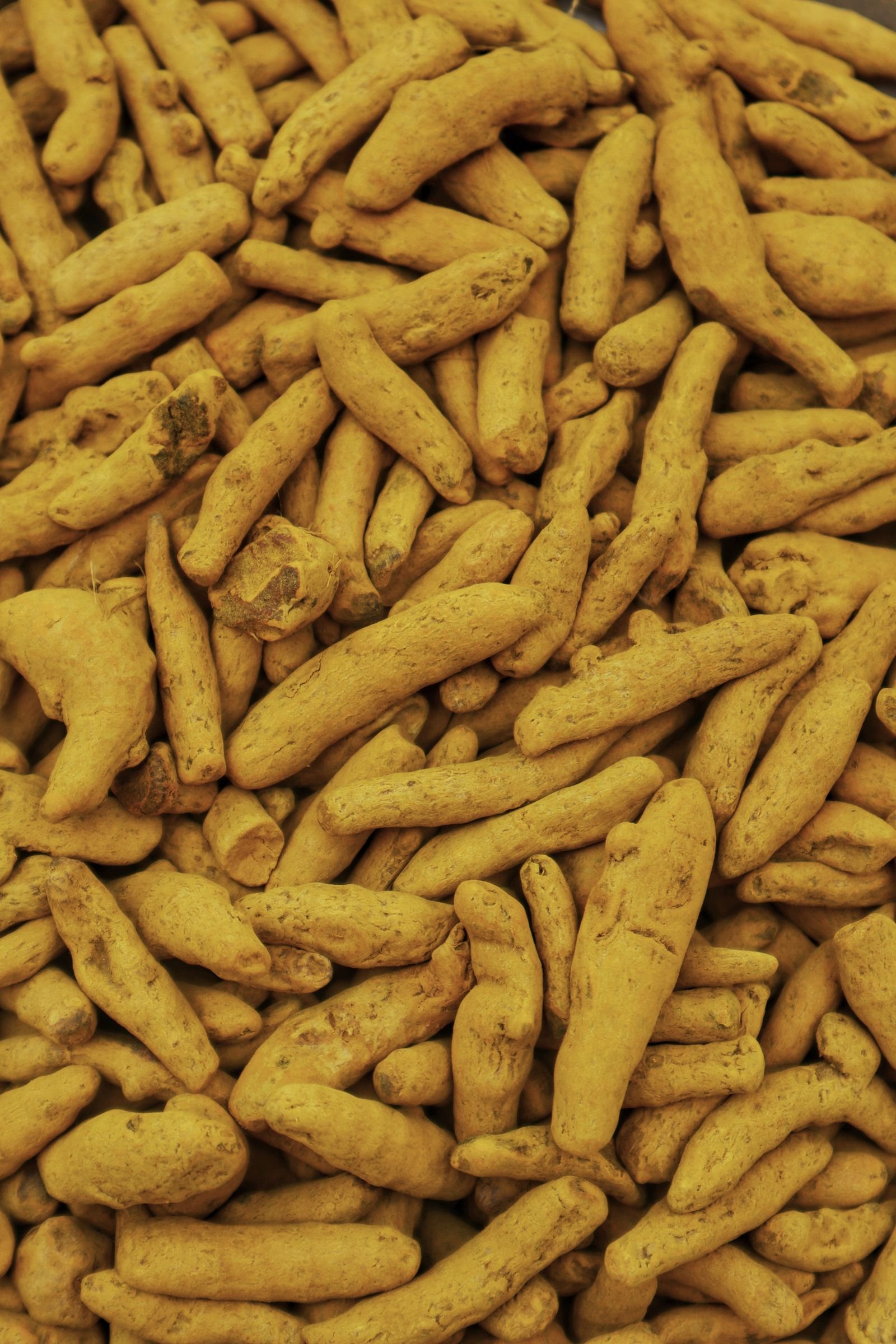
Ashwagandha is a root crop, but not a conventional root vegetable. Shatavari is a long-duration tuberous root crop. Tulsi is a leaf crop. Kalmegh is harvested as a whole herb. Brahmi may be sold fresh or dried. Sarpagandha is valued for its root and alkaloid content. Kutki, Kuth and Atees are high-altitude, long-gestation and conservation-sensitive species. Aloe vera is vulnerable to frost and waterlogging. Aromatic crops such as lavender, lemongrass and citronella are judged not only by biomass, but also by oil yield and quality.
How does one assess loss in such crops? How does one compensate a farmer whose roots rot underground while the field still looks green? How does one measure loss when the plant survives but the active ingredient is degraded? How does one insure a Himalayan farmer cultivating high-value medicinal plants on small terraced land, far away from weather stations, mandis and laboratories?
These are not academic questions. These are the questions that decide whether a farmer will ever dare to grow medicinal plants again. The irony is that India recognised this issue long ago. The National Medicinal Plants Board was set up through a Government Resolution notified on November 24, 2000, to coordinate matters relating to medicinal plants. Its stated objective is to develop the medicinal plants sector by building coordination among ministries, departments and organisations for policies and programmes.
After nearly 26 years, the hard question is unavoidable: has NMPB truly delivered a farmer-centred medicinal plants economy?
The honest answer is: not enough.
To be fair, NMPB has supported conservation, herbal gardens, research, training, e-CHARAK, State Medicinal Plants Boards, Regional-cum-Facilitation Centres and project-based interventions. But when the issue is direct farmer support, the picture becomes weak.
In March 2026, the Ministry of Ayush informed Parliament that there was presently no scheme for cultivation of medicinal plants in NMPB. It also stated that no fund was released for subsidy to farmers and post-harvest measures after 2020-21 because there was no scheme for cultivation of medicinal plants in NMPB. A new component called Medicinal Plants Business Centre was added in September 2025, but till then no proposal had been approved to any state under that component.
This is not a technical gap. It is a farmer-facing failure.
A farmer cannot cultivate medicinal plants on speeches, campaigns and certificates. He needs quality planting material, technical handholding, crop insurance, assured buy-back, transparent prices, drying facilities, testing support, storage, grading, traceability and enforceable contracts. Without these, medicinal plant farming becomes an individual gamble, not a national mission.
The current NMPB framework is still largely project-based. The government has stated that NMPB is implementing the Central Sector Scheme for Conservation, Development and Sustainable Management of Medicinal Plants, with support for activities such as in-situ conservation, livelihood linkages, research, IEC, marketing, trade and forward-backward linkages. From 2023-24 onward, 15 forward and backward linkage projects were approved, expected to cover around 2,000 hectares.
For a country of India’s size, biodiversity and Ayurveda economy, this is far too modest to build farmer confidence at national scale.
The weakness is not only at the national level. State Medicinal Plants Boards were expected to become the backbone of field implementation. In many states, however, they remain under-staffed, under-funded or barely visible in farmers’ fields. Some function more as paper institutions than as farmer-support systems. They often lack independent leadership, farmer databases, district outreach, market intelligence, field staff and convergence power.
The same contradiction is visible in the Regional-cum-Facilitation Centres. RCFCs were created as the extended arms of NMPB for regional outreach and coordination with State Medicinal Plants Boards, forest, agriculture and horticulture departments. On paper, this was an excellent idea. India is too diverse for a Delhi-centric medicinal plants programme. The Himalayas, Western Ghats, Central India, the North-East and arid zones need different crop strategies, conservation priorities and market pathways.
Many RCFCs end up counting trainings, workshops, buyer-seller meets, awareness programmes and reports. These activities have value, but they are not enough. A farmer does not become secure because his name appears in a training attendance sheet. He becomes secure when he receives crop-wise technical guidance, crop insurance, assured market linkage, transparent price information, drying and storage support, testing facilities and protection against crop failure.
A comparison with the National Horticulture Board is instructive. NHB was set up in 1984 as an autonomous organisation under the Ministry of Agriculture and Farmers Welfare. Its objectives include commercial horticulture clusters, post-harvest and cold-chain infrastructure, quality planting material and technology adoption. It also has field offices across the country.
NHB is not perfect. Farmers and entrepreneurs still face delays and procedural hurdles. But horticulture at least has a recognisable project-finance and infrastructure architecture. Medicinal plants never received similar seriousness. NMPB remained largely a coordinating and project-approval body, when it should have evolved into a farmer-facing development authority.
The farmer growing medicinal plants faces four risks at once.
First, climate risk. Drought, erratic rain, hail, frost, heat waves, landslides and cloudbursts are becoming more frequent. In the Himalayas, one unseasonal rain event can ruin drying material. In the plains, heat can damage germination. Waterlogging can destroy root crops.
Second, biological risk. Pests, fungal disease, root rot, wilting and nematodes can destroy crops that are still not fully standardised under local agro-climatic conditions.
Third, quality risk. In cereals, yield is usually central. In medicinal plants, yield is only one part. Moisture, colour, aroma, foreign matter, microbial load, pesticide residue, heavy metals and active constituents decide price and acceptance.
Fourth, market risk. Medicinal plants do not have a universal procurement system. Prices fluctuate. Contracts are often informal. Buyers may disappear, delay payment or reject produce on quality grounds. The farmer carries the risk, while industry demands purity.
This is why insurance is not optional. It is the minimum protection needed for a sector India claims to value.
For many medicinal plants, the Restructured Weather Based Crop Insurance Scheme may be more practical than traditional yield-based insurance. Weather-based insurance can use rainfall, temperature, humidity and wind as proxies for crop losses, which may suit medicinal plants better than standard crop-cutting experiments. The issue has already entered official discussion. In February 2026, a Government of India release on the Chintan Shivir on medicinal plants stated that discussions covered the need for tailored insurance products for medicinal plants under existing schemes, along with better market information for farmers and entrepreneurs.
That is welcome. But discussion must now become delivery.
Ashwagandha may need protection against drought, excess rain at root maturity and unseasonal rain at harvest. Shatavari may need cover against waterlogging and root rot. Tulsi and Kalmegh need protection from excessive rain and drying-stage losses. Aloe vera needs frost and waterlogging cover. Kutki, Kuth, Atees and Sugandhbala need protection from frost, snow, landslides and excessive rainfall. Aromatic crops need protection not only for plant damage, but also for loss of essential oil yield.
A national medicinal plants insurance initiative should not be designed only in Delhi. It must involve State Medicinal Plants Boards, but only after making them functional and accountable. It must involve State Biodiversity Boards, agriculture universities, horticulture departments, forest departments, AYUSH institutions, ICAR-DMAPR, NMPB, insurance companies, farmer producer organisations, traditional healers and actual cultivators.
Biodiversity Management Committees and People’s Biodiversity Registers must also be brought into the framework. Medicinal plants are not merely commodities. In biodiversity-rich states, they are part of culture, household health, women’s knowledge, traditional healing, sacred landscapes and local livelihoods. BMCs and PBRs can help identify local species, traditional uses, cultivation pockets, community dependence and conservation priorities. They should not remain documentation exercises. They must become part of a living medicinal plants governance system.
India should create a Medicinal and Aromatic Plants Crop Insurance Initiative under PMFBY and RWBCIS. It should begin with cluster-based pilots in selected states. The first phase should cover cultivated medicinal and aromatic plants such as Ashwagandha, Isabgol, Senna, Kalmegh, Tulsi, Aloe vera, Safed Musli, Shatavari, Kutki, Kuth, Atees, Sugandhbala, Brahmi, Sarpagandha, Bael, Giloy and region-specific North-Eastern species.
Premium norms may follow existing PMFBY categories for commercial and horticultural crops, but the sum insured must reflect actual cultivation cost, crop duration, post-harvest investment and expected value. Claim settlement should combine weather data, remote sensing, geo-tagging, farmer photographs, mobile-based reporting, field verification and crop-specific loss protocols. A small risk fund should also cover post-harvest losses, because medicinal plant farmers often lose value during drying, grading and storage.
For Himalayan and tribal areas, insurance should also be linked with conservation. Farmers who cultivate threatened medicinal plants reduce pressure on wild populations. They perform an ecological service. If these farmers are not protected, cultivation may collapse and pressure may return to forests.
The role of NMPB must now shift from promotion to protection. Promotion without protection is dangerous. It pushes farmers into risk without giving them the means to survive failure. If NMPB wants to remain relevant after nearly 26 years, its next national mission must be clear: medicinal plant crop insurance, assured market linkage, farmer producer organisations, quality-linked pricing, post-harvest infrastructure, functional State Medicinal Plants Boards, empowered RCFCs and district-level delivery.
India has spent years telling farmers that medicinal plants can heal their income. Now India must ensure that when medicinal plant farming is wounded, the farmer is not left untreated.
Ayurveda teaches that treatment must begin from the root. In the medicinal plants sector, the root is the farmer. If that root remains weak, the entire tree of Ayurveda, herbal industry, wellness economy and biodiversity conservation will remain fragile.
It is time India created crop insurance for medicinal plants.
It is time to heal the healer’s farmer.
Author note:
Dr Arun Chandan is an Ayurveda and medicinal plants expert with more than 35 years of experience in medicinal plant conservation, cultivation, traditional knowledge systems, biodiversity-linked livelihoods and community-based medicinal plant value chains. He lives in Dhaualdhar Himalayas in Dharamsala. E-mail:doctorchandan@gmail.com
General education, not a diagnosis or emergency care. Medical disclaimer.
Stay Updated with Ayurvedic Wisdom