Blog
Innovations, Entrepreneurship and Startups in Medicinal Plants Sector: Emerging Global Opportunities
Its an Abstract of my Paper The medicinal plants sector offers a widespread landscape of opportunities across various dimensions. This abstract explores these prospects, beginning with the medicinal plants’ value chain, which spans collection, cultivation, harvesting,…

3 min read · 640 words

Its an Abstract of my Paper
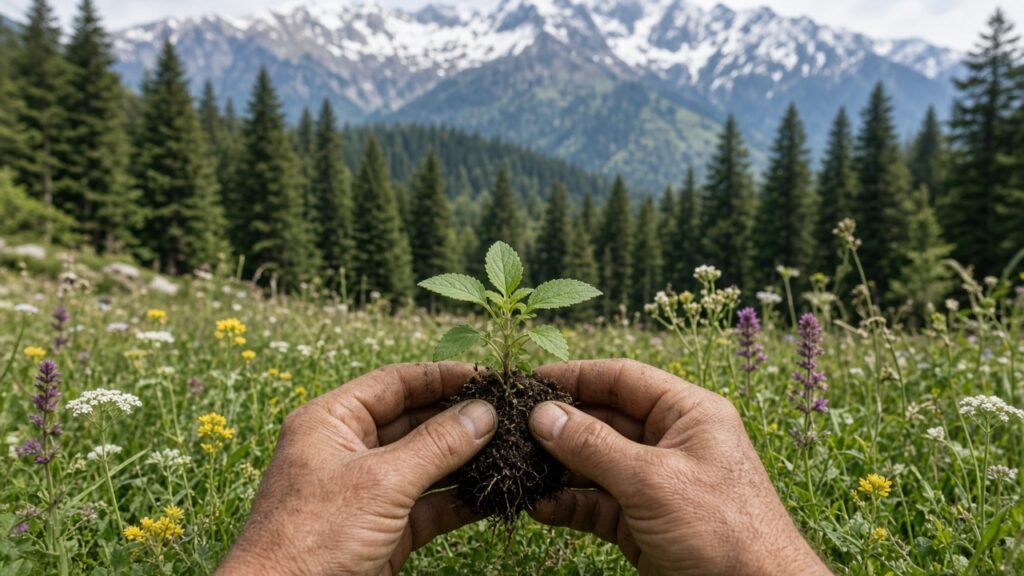
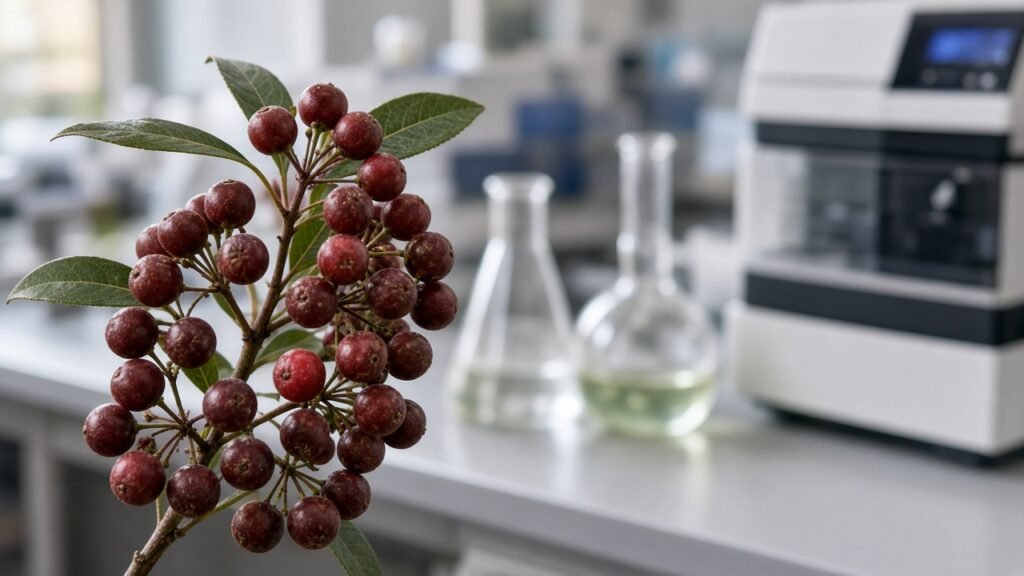
The medicinal plants sector offers a widespread landscape of opportunities across various dimensions. This abstract explores these prospects, beginning with the medicinal plants’ value chain, which spans collection, cultivation, harvesting, processing, innovative value addition and marketing. However, challenges like inconsistent quality control and availability gaps hinder the sector’s growth. Innovations such as value addition techniques, unique formulations, sustainable sourcing, and quality control methodologies are being explored to bridge these gaps.
The sector intersects with the wellness industry, catering to the rising demand for natural food supplements and Nutraceuticals and popularity of Ayurvedic Kashayam and other formulation even the use of AYUSH Kwath and other indigenous methods of spices and medicinal herbs intake in preventive and promotive medicine. The rejuvenating Rasayana herbs of Ayurveda has established direct link with immunity modularization. These products leverage the therapeutic properties of medicinal plants to promote health and well-being. In line with this, the emergence of “Ayurvedic Ahara” as a new category under FSSAI (Food Safety and Standards Authority of India) regulations highlights the sector’s formal recognition and integration into the mainstream food industry. The notification of phyto medicines and 440 single herbs as food supplements has opened new opportunities in the sector.
The medicinal plants sector also contributes significantly to livelihoods and entrepreneurship. Local communities can derive sustainable income through cultivation and collection, fostering rural economies. This, in turn, leads to opportunities in value addition, processing, and marketing. The uniqueness of traditional, classical typical formulation of herbs, spices and food have tremendous potential in the global market if these products are technologically backed up to enhance safety, efficacy and shelf life for a longer period. The startup ecosystem is recognizing these possibilities, with entrepreneurs developing innovative products and technologies that capitalize on the diverse applications of medicinal plants. India is rich with scientific institutions ready with technological innovations having huge potential to go for mass production and addressing the need of the communities.
The medicinal plants sector presents a rich tapestry of opportunities ranging from creating opportunity in backward linkages in value chain enhancement to innovative product development, bridging nutritional gaps, and empowering local communities. Embracing these prospects requires collaborative efforts between stakeholders, government initiatives, and continued research to ensure the sector’s sustainable growth and positive socio-economic impact. The examples in terms of models needs to be created at local level.
In a post-COVID-19 scenario, the medicinal plants sector is witnessing a surge in interest, driven by the heightened global demand for herbal resources. This abstract delves into the emerging opportunities within this sector, focusing on innovations, entrepreneurship, and startups that are reshaping its landscape. One such example is an innovative initiative to make ready to eat Khichdi-a traditional recipe for well being of geriatric population.
The intersection of the medicinal plants sector with the wellness industry is particularly promising. Natural food supplements and nutraceuticals, harnessing the therapeutic properties of these plants, are experiencing rising demand for their potential to enhance health and well-being. The recent introduction of “Ayurvedic Ahara” as a distinct category under FSSAI regulations showcases the sector’s formal recognition and integration into the mainstream food industry.
Beyond economic potential, the medicinal plants sector plays a crucial role in livelihoods and entrepreneurship. Local communities can establish sustainable incomes through cultivation and collection, thereby invigorating rural economies. This economic stimulus creates ancillary opportunities in value addition, processing, and marketing, fostering a holistic ecosystem.
The startup landscape is embracing the vast potential within this sector. Entrepreneurs are leveraging innovative technologies and product ideas that tap into the diverse applications of medicinal plants. This surge of entrepreneurial activity adds a dynamic dimension to the sector’s growth trajectory. However, to fully realize this potential, collaboration among stakeholders, proactive governmental support, and continued research are imperative. This united approach will steer the sector towards sustainable growth, driving positive socio-economic impacts globally.
General education, not a diagnosis or emergency care. Medical disclaimer.
Stay Updated with Ayurvedic Wisdom